
Hot Products
Tianwen Educational and Research Series
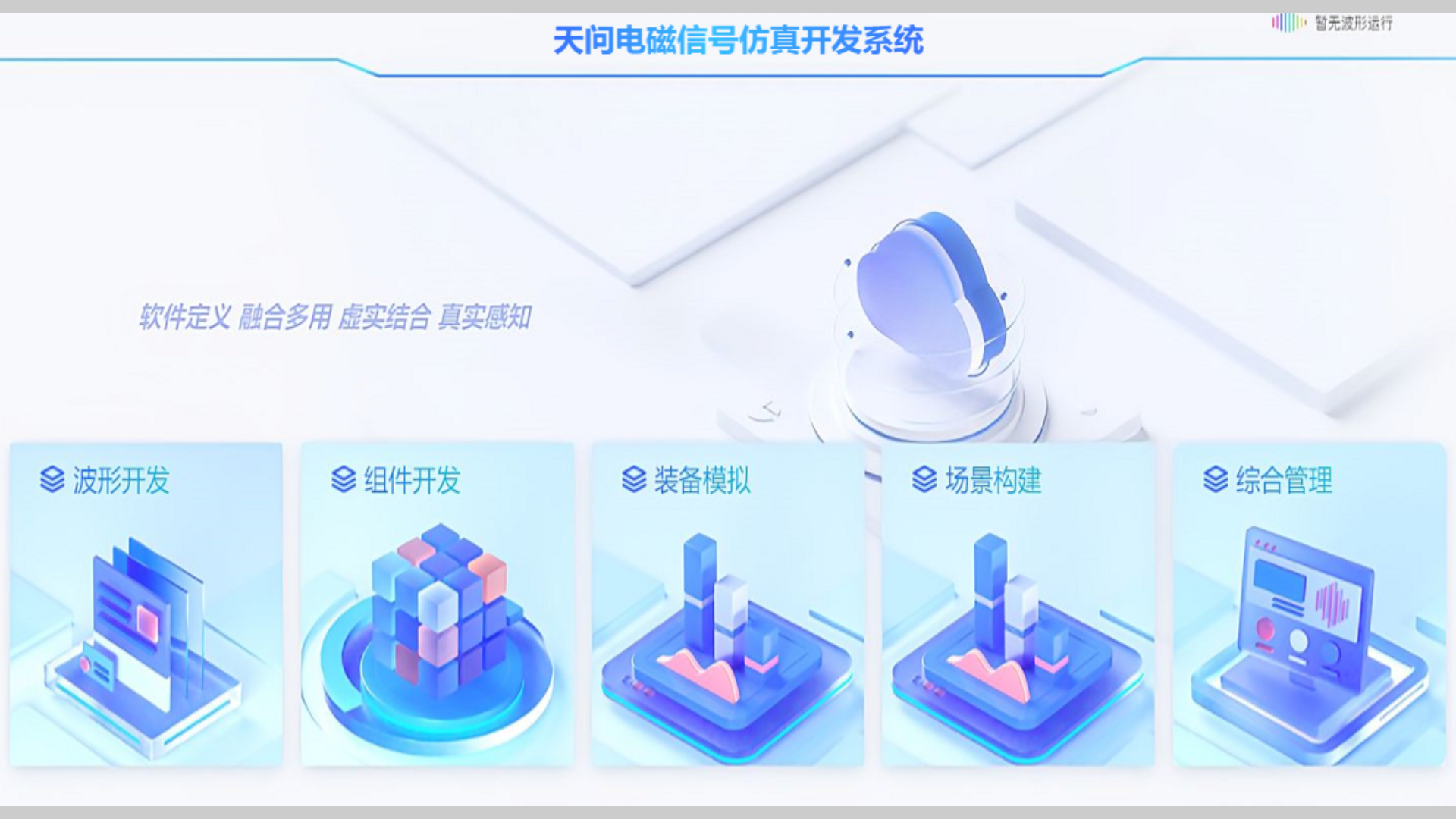
Tianwen Electromagnetic Signal Simulation and Development System
The Tianwen Electromagnetic Signal Simulation and Development System (Tianwen VIEW) is built upon an open Software-Defined Radio (SDR) architecture, designed as a heterogeneous platform for waveform development and simulation testing in electromagnetic signal domains including communications, radar, navigation, and electronic warfare. Targeting foreign 'bottleneck' software such as MATLAB and LabVIEW, Tianwen VIEW aims to achieve domestic substitution and extended optimization in selected application areas. It features fully independent intellectual property rights and supports domestic CPUs—including Phytium, Hygon, Sunway, and LoongArch—as well as domestic operating systems such as Kylin and UnionTech. Developed under the principle of 'one runtime environment, one interface standard, one component library', the system provides three-tier simulation capabilities—algorithm-level, equipment-level, and scenario-level—and offers advantages including scalable system architecture, high-efficiency hardware platform adaptation, and seamless integration of virtual and physical environments.
View Details
Tianwen Cloud Teaching and Experiment System
The Tianwen Cloud Teaching and Experiment System is a comprehensive, networked teaching and experimentation platform featuring hybrid virtual-physical operation, multi-purpose integration, reconfigurability, and upgradability. It supports the construction of diverse communication and electronic information laboratories in higher education institutions, and also serves as a virtual experimentation platform for remote simulation-based experiments. The software system adopts an open Software-Defined Radio (SDR) architecture developed in-house, implementing key core technologies including Web-based visual flowgraph construction, remote waveform execution control, remote waveform display, remote audio streaming, and custom component development. Additional capabilities include hierarchical user management, course management, experiment management, automated lab report generation, and waveform execution status monitoring and management. The system is fully independently developed and possesses complete intellectual property rights.
View Details
Air Decoding: Integrated Innovation Experiment Course
This course is a comprehensive, tiered, and innovation-oriented wireless communication practice curriculum built on the Tianwen Qiming platform and powered by the Tianwen Visual Designer. It spans all academic levels—from undergraduate freshmen to graduate students—and bridges four core learning tiers: foundational introduction, principle analysis, security attack-defense, and innovative R&D—thereby addressing the traditional communication lab course pain points of fragmentation, over-theorization, and homogeneity. Leveraging real-world electromagnetic environment signal resources, the course features real-time visual interactive feedback, standardized validation assessments, and open-ended customizable experiments, establishing a closed-loop practical teaching system that is 'progressive, application-oriented, and innovation-driven.' It is adaptable to diverse educational scenarios including regular classroom instruction, hands-on training, course assessment, subject competitions, and capstone design projects.
View Details
Principles of Communication Experiment Course
The 'Principles of Communication' laboratory course is designed to be used in conjunction with the Tianwen Cloud Teaching and Experiment System, enabling common analog and digital modulation experiments. Each experiment case supports both virtual simulation mode and hardware implementation mode. Custom development of experiment cases is available.
View DetailsTiangang Training Products
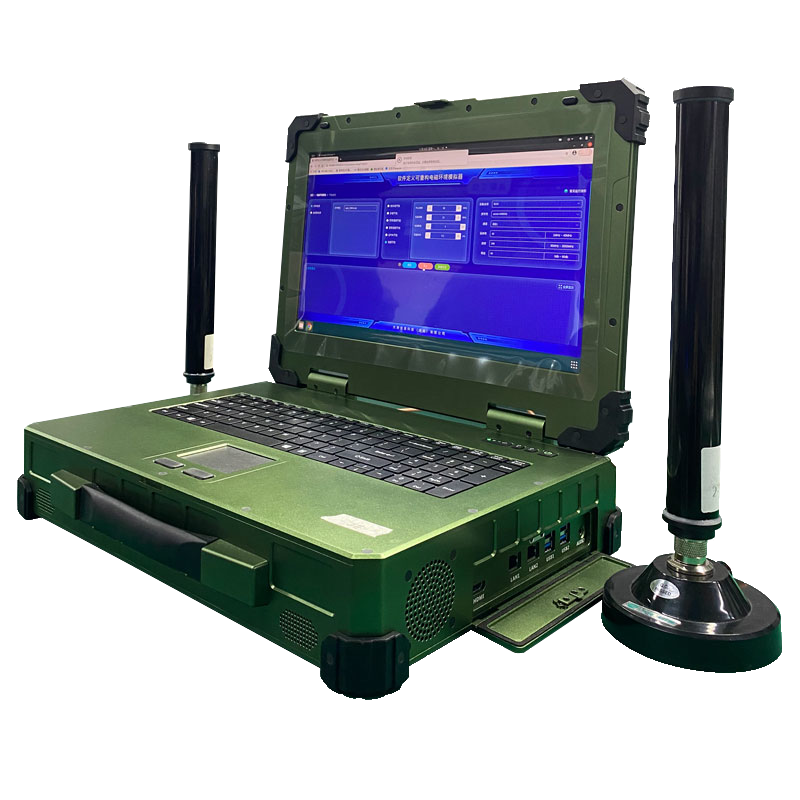
Tiangang Electromagnetic Signal Simulation Equipment (Portable)
This device is developed based on Software-Defined Radio (SDR) technology and can simulate signals from multiple domains—including communications, navigation, radar, and electronic warfare—while supporting multi-unit networked coordination and control. Multiple devices can transmit waveforms of different signal types at varying times and frequencies, thereby constructing a multi-dimensional complex electromagnetic environment across space, time, and frequency domains. It also features electromagnetic signal reception and real-time electromagnetic spectrum visualization and evaluation. Advantages include high signal fidelity, operational flexibility, reduced equipment variety, and rapid system upgrades—making it an effective technical solution for constructing complex electromagnetic environments and related training. The Portable Type I model adopts an integrated hardware design in a ruggedized laptop form factor, with waterproof, dustproof, and shock-resistant sealed enclosure. Its spectrum coverage spans 1 MHz to 6 GHz, with a maximum instantaneous bandwidth of 40 MHz—meeting outdoor and mobile operational requirements. It is suitable for diverse applications including teaching, scientific research, and training in both laboratory and challenging outdoor environments.
View Details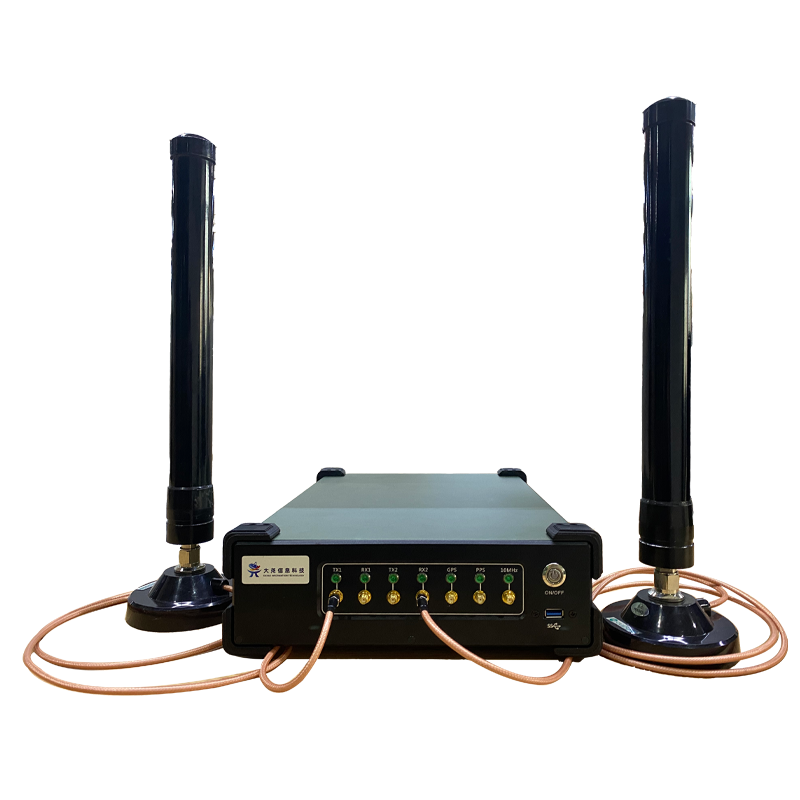
Tiangang Electromagnetic Signal Simulation Equipment (Educational Standard Model)
This device is developed based on Software-Defined Radio (SDR) technology and can simulate signals from various systems including communications, navigation, radar, and electronic warfare. It supports multi-unit networked coordination and control: multiple devices transmit waveforms of different signal types at different times and frequencies, thereby constructing multi-dimensional complex electromagnetic environment spectrum signals in space, time, and frequency domains. It also features electromagnetic signal reception and electromagnetic spectrum visualization and evaluation capabilities. Advantages include high signal fidelity, operational flexibility, reduced equipment variety, and rapid system upgrades—making it an effective technical solution for constructing complex electromagnetic environment spectra and related training.
View Details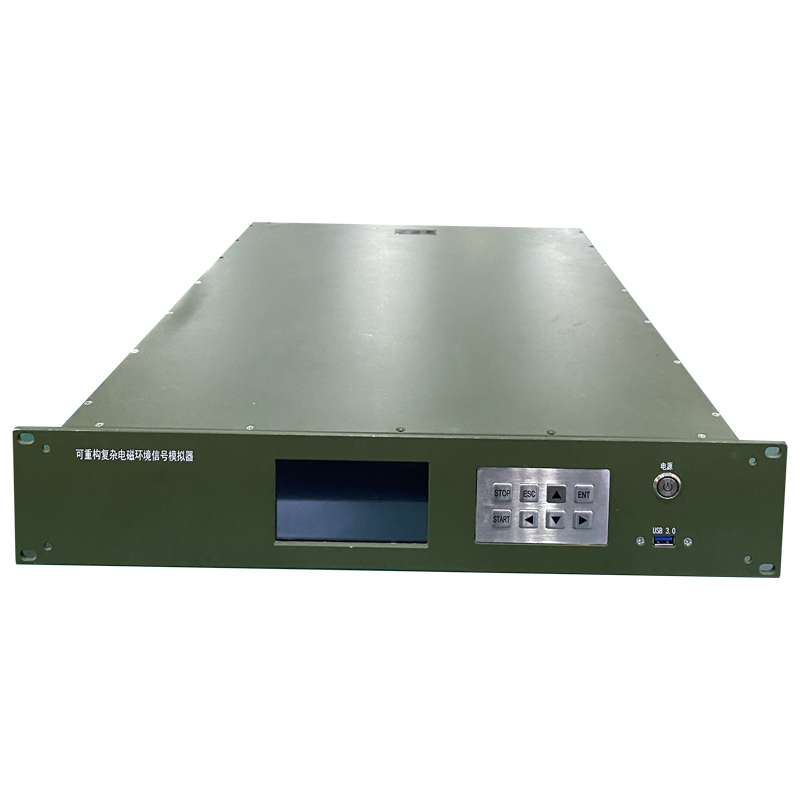
Tiangang Electromagnetic Signal Simulation Equipment (Rack-Mounted)
This device is developed based on Software-Defined Radio (SDR) technology and can simulate signals from multiple domains—including communications, navigation, radar, and electronic warfare. It supports networked multi-unit coordination and control: multiple units transmit waveforms of different signal types—across varying time slots and frequencies—to construct a multi-dimensional complex electromagnetic environment in space, time, and frequency domains. It also features electromagnetic signal reception and real-time electromagnetic spectrum visualization and evaluation. Advantages include high signal fidelity, operational flexibility, reduced equipment variety, and rapid system upgrades. It represents an effective technical approach for constructing complex electromagnetic spectrum environments and related training.
View Details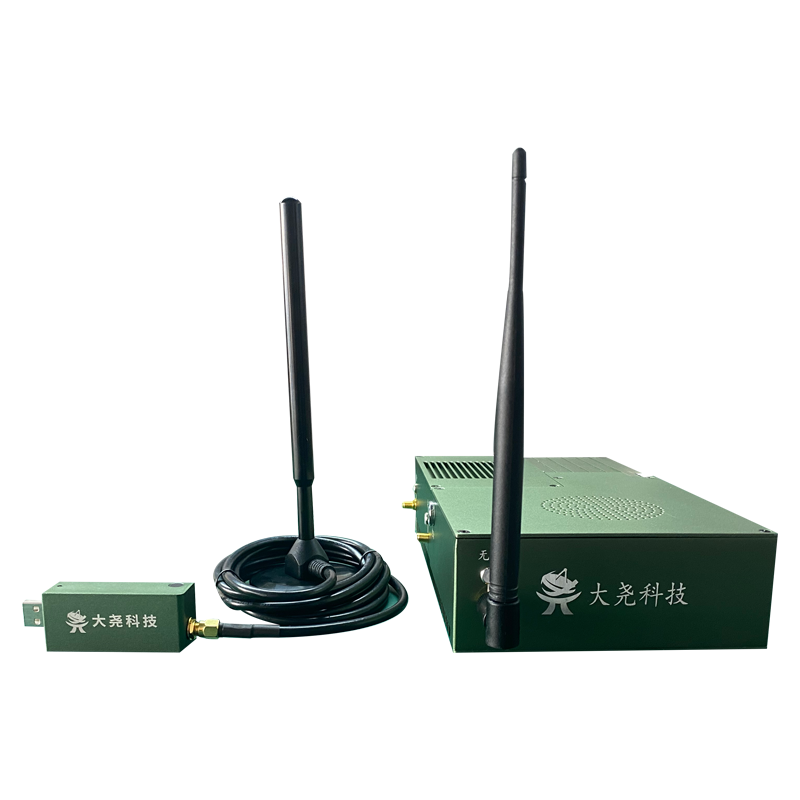
Tiangang Electromagnetic Signal Simulation Equipment (UAV Type)
Reconfigurable Electromagnetic Signal Simulator (UAV Type) uses an unmanned aerial vehicle (UAV) as its carrier platform, carrying mission payload equipment that can ascend to an altitude of up to 500 meters, with a control range of approximately 1 kilometer. Wireless LoRa technology is employed for communication and control between the mission payload equipment and the ground-based payload control computer. It features GPS/BeiDou band output power limiting to ensure safe UAV takeoff.
View DetailsTianyu Hardware Equipment Series
Universal Software-Defined Radio (SDR) Device RF210/H/G
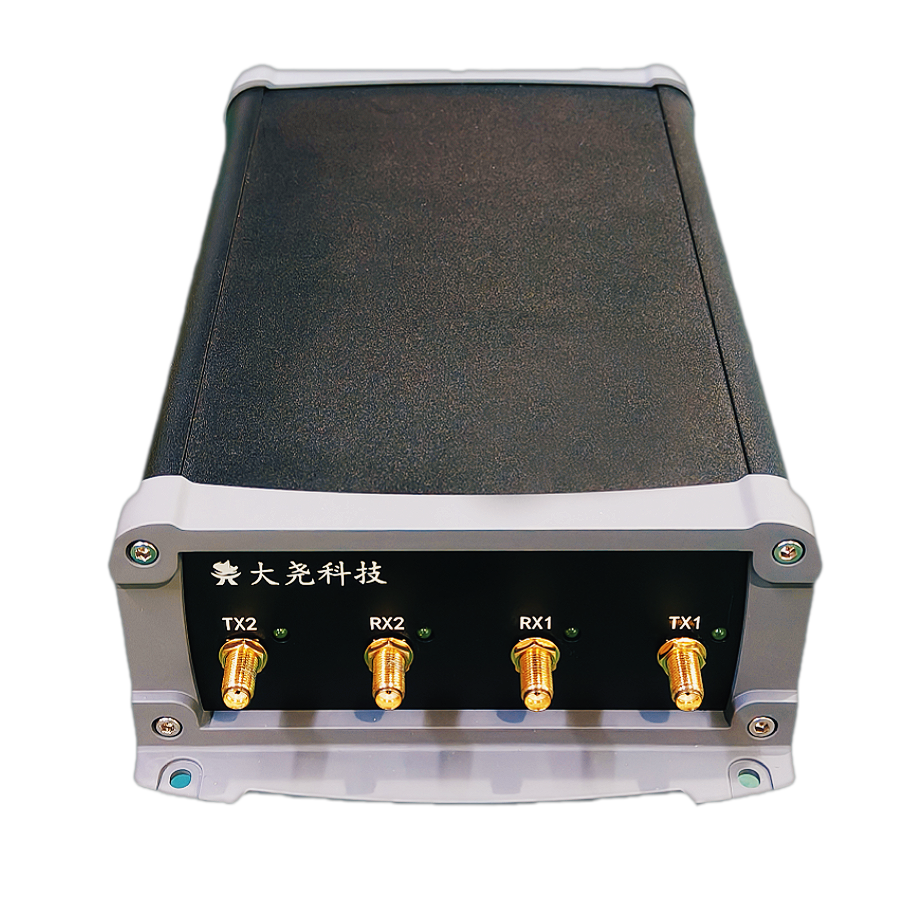
The RF210 is primarily designed to match the functionality of the USRP B210, featuring an aluminum matte anti-vibration enclosure. It extends both functionality and performance beyond the original B210, incorporating high-reliability industrial-grade design enabling fault-free 7×24 continuous operation. Its standard frequency coverage spans 70 MHz to 6 GHz; the RF210/H/G variants extend this range down to 1 MHz (i.e., 1 MHz–6 GHz). The RF210 is built around the Xilinx Kintex-7 XC7K325T FPGA and Analog Devices’ AD9361 RFIC chip, and ships with the USRP Hardware Driver (UHD) and associated software drivers. The AD9361 transceiver in the RF front-end delivers 56 MHz instantaneous bandwidth; combined with external up/down-conversion and filter banks, it achieves full 1 MHz–6 GHz coverage. Optimized software drivers further enable fast frequency-hopping capability.
View Details
Universal Software-Defined Radio (SDR) Device RF310/H
The RF310 is functionally comparable to the USRP X310 and features an aluminum matte anti-vibration enclosure design, with enhanced performance over the original X310. Based on an optimized driver architecture, it supports configurable arbitrary master clock rates (the original X310 only supports 200 MHz and 184.32 MHz), enabling precise configuration of arbitrary sampling rates. The RF310 supports multiple RF daughterboards, with the widest supported RF daughterboard bandwidth reaching 160 MHz and frequency coverage spanning 1 MHz to 6 GHz. It employs a user-programmable Kintex-7 FPGA (XC7K410T) and optional high-speed interfaces (PCIe, 10GbE, 1GbE). The RF310 uses the open-source, cross-platform UHD driver, offers rich development frameworks—including RFNoC—and supports open-source projects; it includes one RF160 daughterboard. The RF310H extends the frequency range up to 18 GHz.
View Details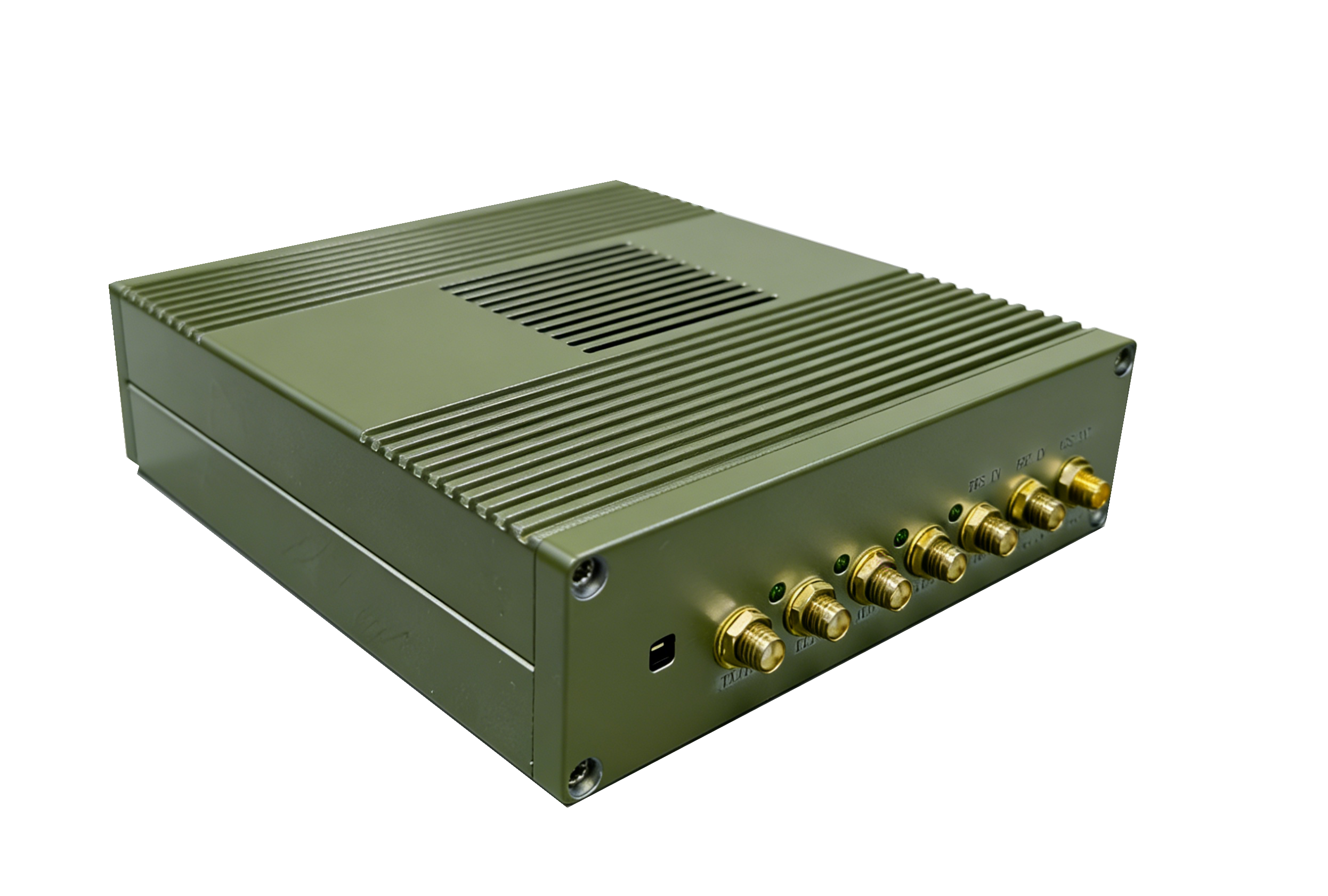
Universal Software-Defined Radio (SDR) Device RF320/H/G
The RF320 is a mobile and embedded Software-Defined Radio (SDR) device developed to match the functionality of the USRP E320. It features an aluminum matte anti-vibration enclosure, offering advantages including lightweight construction, low power consumption, and compact size. Built around the Xilinx Zynq-7045 FPGA and AD9361 transceiver, it covers a frequency range of 1 MHz–6 GHz with an instantaneous bandwidth of 56 MHz. Baseband processing runs on the reconfigurable Zynq-7045 FPGA and its integrated dual-core ARM A9 processor. Its open-source software architecture provides cross-platform support and compatibility with the USRP Hardware Driver (UHD). The domestically produced variant, RF320G, employs the Fudan Micro FMAL45T900 and Beiwei Electronics mtx9361 chips. The RF320H extends the frequency range up to 18 GHz.
View Details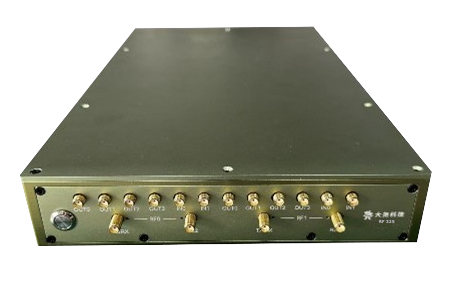
Universal Software-Defined Radio (SDR) Devices RF321/325/H
The RF321 features key capabilities comparable to the USRP N321, featuring a matte-finish aluminum shock-resistant enclosure and supporting 2 RX and 2 TX channels. Its baseband processor is the Xilinx Zynq-7100 SoC, integrating an FPGA for real-time, low-latency signal processing and a dual-core ARM CPU for standalone operation and resource management. It covers an extended frequency range from 1 MHz to 6 GHz with 200 MHz instantaneous bandwidth. RF325 offers 500 MHz bandwidth. RF325H extends the frequency range up to 18 GHz.
View DetailsSolutions
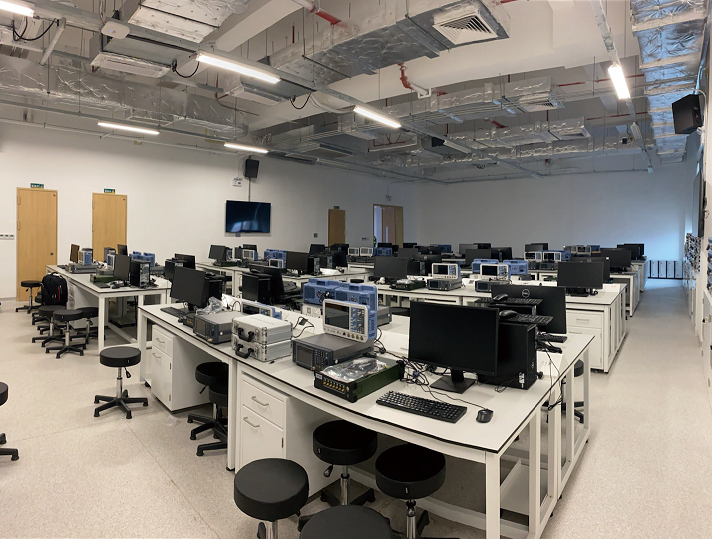 A university in Zhengzhou
Tianwen Teaching System Integrated Laboratory Solution
This solution focuses on the integrated requirements of wireless communication teaching and research, adopting a software-defined architecture to build the Tianwen Teaching System Comprehensive Laboratory. It provides comprehensive support for talent cultivation and scientific research innovation in universities, helping to establish a high-quality, specialized platform that integrates teaching and research, meeting the dual needs of new engineering education and scientific research innovation.
Learn More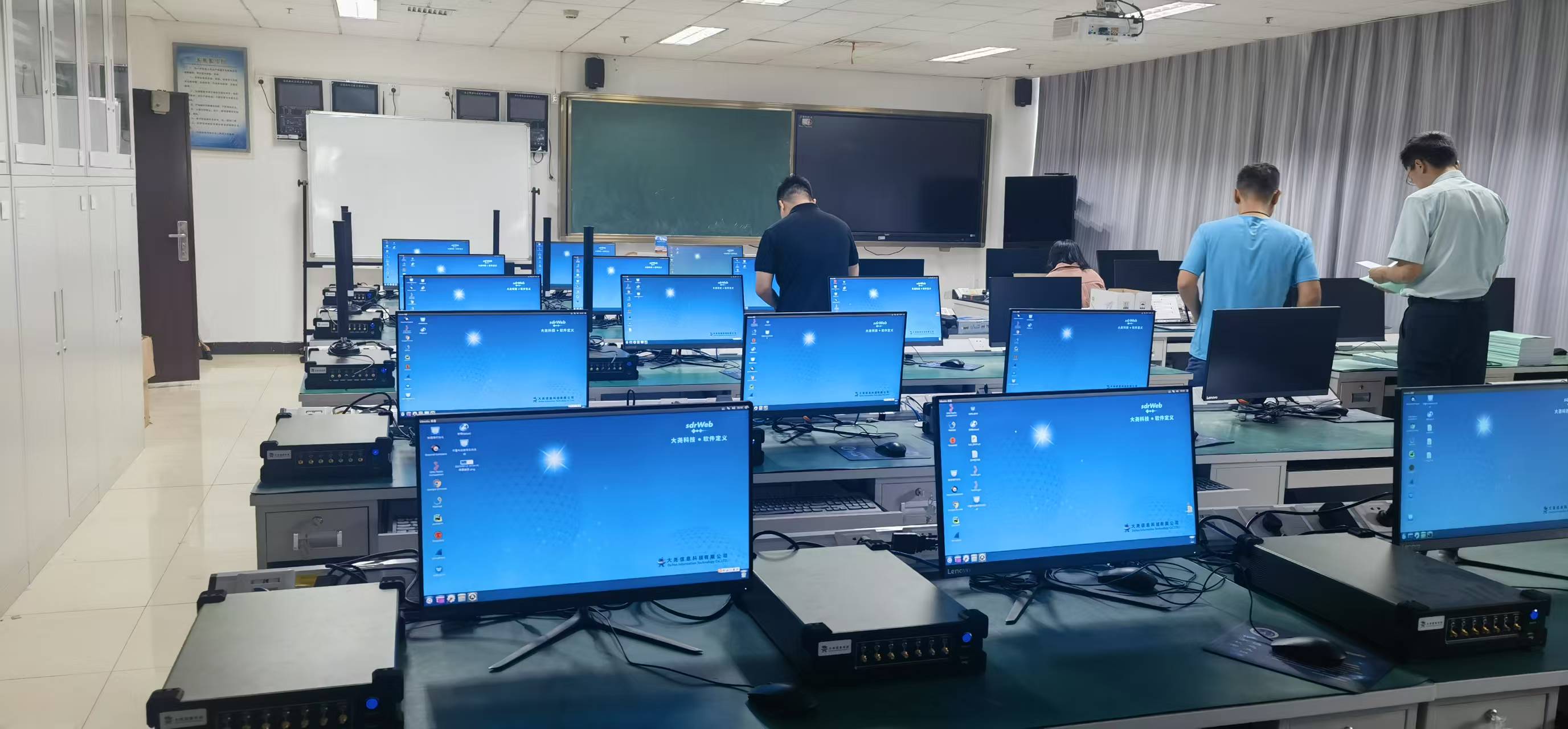 A scientific research institute
End-to-End Electromagnetic Signal Research and Simulation Platform Solution
This solution addresses the scientific research and innovation needs of national-level scientific research institutes and electronic research institutions. Centered on the Tianwen VIEW domestic electromagnetic signal simulation and development system, it establishes a three-tier simulation chain linking algorithms, equipment, and operational scenarios. Integrated with the RF-series general-purpose Software-Defined Radio (SDR) hardware, it enables closed-loop virtual-physical co-verification. It benchmarks against—and partially replaces—foreign commercial tools such as MATLAB and LabVIEW, and is fully compatible with domestic CPUs and operating systems, providing end-to-end technical support for independently controllable research projects.
Learn More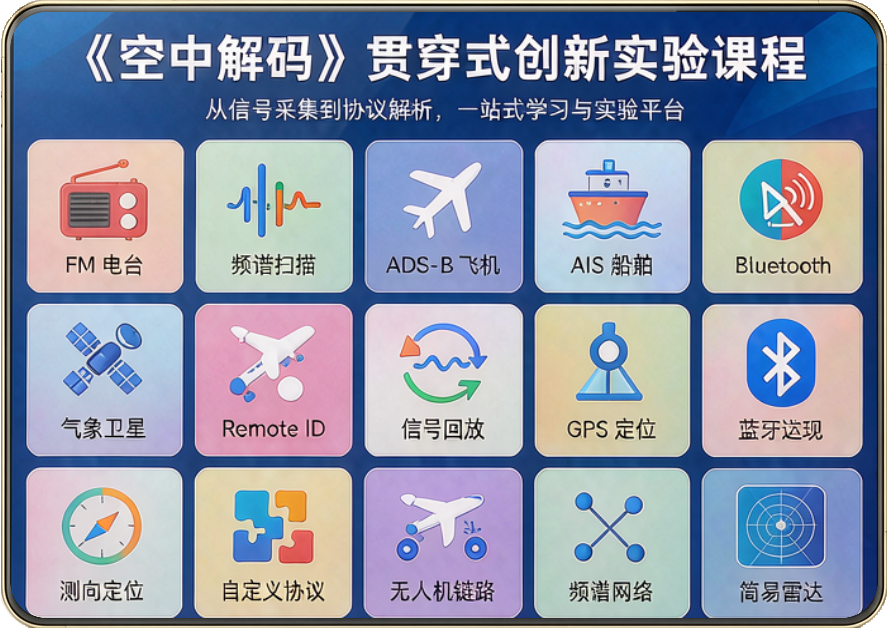 A university (Department of Electronic Information Engineering)
Air Decoding: Integrated Innovation Experiment Course Solution
This course is a comprehensive, tiered, and innovation-oriented wireless communication practice curriculum built on the Tianwen Qiming platform and powered by the Tianwen Visual Designer. It spans all academic levels—from freshman undergraduate to graduate studies—and bridges four core learning tiers: foundational introduction, principle analysis, security attack/defense, and innovative R&D—addressing the traditional communication lab course pain points of fragmentation, over-theorization, and homogeneity. Leveraging real-world electromagnetic environment signal resources, the course features real-time visual interactive feedback, standardized validation assessments, and open-ended customizable experiments, establishing a closed-loop practical teaching system that is 'progressive, application-oriented, and innovation-driven.' It supports diverse educational scenarios including regular classroom instruction, hands-on training, course assessment, academic competitions, and capstone projects.
Learn More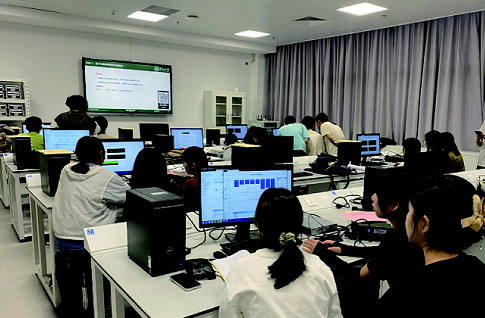 A university in Guangzhou
Radar and Communication Principles System Solutions
The Radar and Communication Principles System is a comprehensive hybrid virtual-physical experimental platform designed for core courses such as 'Principles of Communication', 'Radar Principles', and 'Electronic Warfare' in electronics, communication, and information engineering disciplines. It consists of 20 independent yet collaborative student workstations and a teacher server equipped with management, situational display, and remote virtual experiment capabilities. Integrated for teaching demonstration, student innovation design, and instructor research validation, the system supports rapid prototyping of common communication and radar systems as well as verification of novel algorithms. Featuring high reconfigurability and scalability, it flexibly meets requirements spanning from fundamental theory experiments to complex electronic warfare exercises.
Learn MoreCompany Updates
Company News
Grand Event Opens in Changsha! Dayao Technology Invites You to the 3rd Frontier Academic Conference on Radar
2026-07-28 08:34:33A major academic conference in China's radar field — the 3rd Radar Frontier Academic Conference — is about to open grandly at the Century Golden Resources Hotel Changsha! Dayao Information Technology (Hunan) Co., Ltd. (Dayao Technology), as an exhibitor at this conference, will showcase its full suite of domestically developed radar simulation, RF hardware, and teaching & training core products. We sincerely invite academicians, experts, university researchers, and technical professionals from research institutes across China to visit our booth for exchanges and discussions on cutting-edge technologies and deep industry-university-research collaboration.
The grand event has concluded, but innovation continues! Dayao Technology's journey at the 64th Higher Education Expo has successfully concluded!
2026-05-26 08:53:26The 64th Higher Education Expo was grandly held and successfully concluded at the Nanchang Greenland International Expo Center. Themed 'Empowerment, Collaboration, and Excellence: Supporting the Construction of a Strong Higher Education Nation,' this edition gathered over 1,500 universities and more than 6,000 enterprises, focusing on the deep integration of emerging technologies with educational scenarios to jointly chart a new blueprint for innovative development in higher education.
University-Enterprise Collaboration for Development and Integrated Industry-Education for Talent Cultivation | President Wei Xiaolin and Delegation of Hengyang Normal University Visit Dayao Technology for Inspection and Exchange
2026-05-20 09:01:02To deepen the integration of industry and education and promote collaborative talent cultivation between universities and enterprises, and to advance employment work for the graduating class of 2026, on May 18, Wei Xiaolin, Deputy Party Secretary and President of Hengyang Normal University, led a delegation to visit and exchange with Dayao Information Technology (Hunan) Co., Ltd. The Party and administrative leadership of the School of Computer Science and Technology, along with the head of the School of Physics and Electronic Engineering, accompanied the inspection. Xi Yong, founder and general manager of the company, led the core team in warmly receiving the delegation, accompanying them throughout the visit, and holding a symposium with the university delegation.
Unite Digital Intelligence to Build a Stronger Defense Line | Dayao Technology Invited to Attend Hunan’s 2026 “World Telecommunication Day” Commemorative Event on May 17
2026-05-17 15:20:50May 15, 2026, marked the grand opening of the commemorative event for the “World Telecommunication and Information Society Day (WTISD) on May 17” and China Unicom’s Hunan Science & Technology Innovation Conference at China Unicom’s Central-South Research Institute. Dayao Information Technology (Hunan) Co., Ltd. (“Dayao Technology”), as a key participant, was invited to attend. Representatives from government regulatory authorities, universities and research institutes, industry ecosystem partners, and various China Unicom units gathered to jointly explore emerging trends in the digital communications industry, deliberate new pathways for digital and intelligent transformation, and chart a new blueprint for integrated technological innovation.
Industry News
Interpreting the Digital Twin Battlefield: Virtual-Physical Coexistence, Ushering in a New Paradigm for Electromagnetic Warfare
2026-09-14 09:12:35The electromagnetic spectrum has become a critical nexus for multi-domain joint operations. Under intelligent warfare, traditional electromagnetic combat paradigms face bottlenecks in sensing, decision-making, and resource scheduling. The Digital Parallel Battlefield leverages digital twin and AI technologies to construct a high-fidelity digital mirror of the electromagnetic domain, establishing a bidirectional virtual-physical closed-loop system that reshapes electromagnetic warfare paradigms. Integrated with Dayao Technology’s domestically developed product suite — Tianwen–Tiangang–Tianyu — it enables high-fidelity electromagnetic environment replication, large-scale parallel simulation, and iterative virtual-physical optimization. This advances electronic warfare from single-platform competition toward systemic博弈, delivering autonomous, controllable technical support for low-altitude defense, wireless communications, and scientific research & training.
Thinner than a book, yet capable of eavesdropping on the entire spectrum's 'whispers' | Dayao Technology RF320: Shrinking Software-Defined Radio (SDR) into pocket size
2026-08-28 13:45:46Traditional large-scale radio instruments are constrained by size and deployment scenarios, making field operations cumbersome. This article introduces Dayao Technology's Tianyu series RF320 portable Software-Defined Radio (SDR) device. With dimensions of only 180×130×39 mm and a weight under 0.5 kg, the RF320 balances compact portability with high performance. It supports an ultra-wide frequency range of 1 MHz–18 GHz and an instantaneous bandwidth of 56 MHz. Equipped with 12-bit ADC/DAC, it enables weak-signal acquisition. The device is compatible with the GNU Radio open-source ecosystem and integrates the proprietary Tiangong core engine. It is suitable for diverse applications including university teaching, research prototyping, field spectrum monitoring, and development by radio enthusiasts. Additionally, this article compares the RF320 with other models in the Tianyu series to assist readers in rapid model selection.
Are massive sensor data overwhelming battlefield networks? The U.S. military's CJADC2 solution: Pushing AI to the tactical edge.
2026-08-26 08:55:51The explosion of battlefield sensors has led to data overload. The U.S. military's CJADC2 initiative deploys AI to the tactical edge, enabling intelligent RF signal processing locally—filtering massive volumes of raw sampled data—to achieve rapid threat identification in bandwidth-constrained environments. This reveals that the core of modern spectrum warfare has shifted toward edge-distributed intelligence.
Dayao Technology's self-developed domestic SDR: Breaking overseas technological monopolies and building a fully independent, controllable end-to-end electromagnetic signal solution.
2026-07-22 15:53:27Software-Defined Radio (SDR) is a core foundational platform in communications, radar, and electronic warfare. For years, the domestic market has heavily relied on overseas equipment, suffering from technological restrictions, poor compatibility, and high costs. After years of technical accumulation and iterative breakthroughs, Dayao Technology’s domestically developed RF-series universal SDR hardware—featuring full-stack in-house R&D, high performance, and superior compatibility—has become the preferred domestic alternative for university research and national defense equipment.
Wireless Vision
爱丽丝漫游软件无线电世界(第六章)——硬件博览会
2026-09-30 13:50:23在硬件博览会上,爱丽丝对比了四款典型软件无线电设备。RTL‑SDR 仅作为信号采集的 “耳朵”,依靠电脑 CPU 完成全部信号处理;HackRF One 搭载简化版 CPLD 辅助数据流调度;USRP 依靠板载 FPGA 承担 DDC/DUC 数字变频的繁重工作;Zynq 则将 FPGA 与 ARM CPU 集成单芯片,脱离电脑独立运行。本章通过不同价位 SDR 平台的对比,解释 FPGA、DSP、CPU 在系统中的分工关系,读懂软件无线电 “职责不变,载体可变” 的核心思想。
Alice's Journey Through the Software-Defined Radio World (Chapter 5) — The Digital Frequency Conversion Factory
2026-09-28 11:06:18In this chapter, Alice visits a digital frequency conversion factory governed by an FPGA, where she learns about DDC (Digital Down Conversion) and DUC (Digital Up Conversion). DDC handles down-conversion and decimation of high-frequency signals during reception, while DUC performs up-conversion and interpolation of baseband signals during transmission—these two processes are inverse operations of each other. We will dissect the roles of mixing, filtering, decimation, and interpolation, clarify where digital frequency conversion resides in the SDR signal chain, and understand the distinct responsibilities of the FPGA, DSP, and CPU.
Alice's Journey Through the Software-Defined Radio World (Chapter IV) — The Stage of the Three Brothers
2026-09-24 10:13:42After mapping out the complete physical signal flow chain of Software-Defined Radio (SDR), this chapter invites Alice onto a dedicated SDR stage—theater—using the whimsical fairy-tale metaphor of 'Three Brothers Performing Together' to thoroughly deconstruct the three core computational architectures in the SDR digital domain: FPGA, DSP, and CPU. The article clearly delineates the functional division of labor and collaboration logic among them: the FPGA handles high-speed parallel signal processing—the 'heavy lifting'—including Digital Down Conversion (DDC), Digital Up Conversion (DUC), and massive data stream processing; the DSP specializes in precise signal computations—such as modulation/demodulation and iterative algorithm execution—the 'fine work' of baseband processing; and the CPU acts as the system-wide orchestrator, managing device configuration, task scheduling, and human–machine interaction. It also addresses a key question many readers have: modern SDR devices do not necessarily include a discrete DSP chip—advancing technology enables FPGA hard cores or CPU software to assume traditional DSP computational responsibilities. This chapter breaks down rigid hardware stereotypes, emphasizing that while implementation platforms may vary, core functional divisions remain constant—a fundamental engineering principle. It fully elucidates the operational essence of SDR heterogeneous computing and lays a solid foundation for subsequent in-depth study of FPGA-based digital frequency conversion principles.
Alice's Journey Through the World of Software-Defined Radio (Chapter III) — The Body of SDR
2026-09-22 11:09:06Building upon the core concepts of Software-Defined Radio (SDR) introduced in the previous chapter, this chapter follows Alice into a luminous corridor adorned with signal schematics, comprehensively deconstructing the entire physical and signal architecture of SDR. Using a fairy-tale narrative, the article systematically dissects the 'skeletal framework' of SDR: beginning with the complete bidirectional signal flow chain, it explains in accessible terms the three fundamental functions of the RF front-end—amplification, filtering, and frequency conversion. It provides an in-depth comparison of the classical superheterodyne architecture versus the modern zero-IF architecture, highlighting their respective advantages, drawbacks, and application scenarios. The chapter also introduces mainstream domestic and international RF integrated chips—including the AD9361 and LMS7002M—and reveals the evolutionary breakthrough enabling modern SDR to transition from bulky hardware circuits to single-chip programmability. Furthermore, it clearly articulates the critical role of the ADC (analog-to-digital converter), emphasizing how sampling rate and resolution decisively impact device performance, and outlines the mirrored signal processing logic between receiver and transmitter chains. Ultimately, this chapter fully resolves the central question: 'Why is the ideal SDR difficult to realize in practice, and how is real-world SDR engineered?' It bridges the gap from software theory to hardware implementation, laying the essential groundwork for subsequent discussions on digital signal processing and the three core processors.