I. Core Functions
Centered on a Software-Defined Radio (SDR) architecture, the laboratory comprehensively supports both teaching and research scenarios, balancing practicality with innovation. Its core functions are as follows:
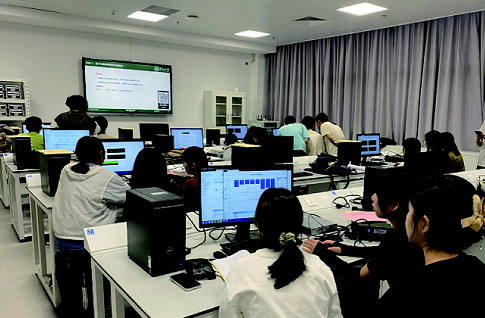
(1)Multi-level Teaching SupportPrecisely aligned with undergraduate and graduate coursework, it supports hands-on instruction for core courses, enabling deep integration of theoretical knowledge and practical skills—helping students solidify foundational expertise and enhance hands-on proficiency.
(2)Research Innovation EnablementProvides technical R&D support for researchers and graduate students, enabling principle-verification experiments and preliminary testing for emerging wireless communication technologies, mechanisms, and architectures—accelerating the translation of research outcomes into practice.
(3)Flexible, Reconfigurable AdaptationLeverages the reconfigurable Tianwen Teaching Experiment System software to enable flexible adaptation and expansion of experimental scenarios; experimental parameters and setups can be adjusted according to teaching priorities or research requirements, accommodating diverse teaching and research needs.
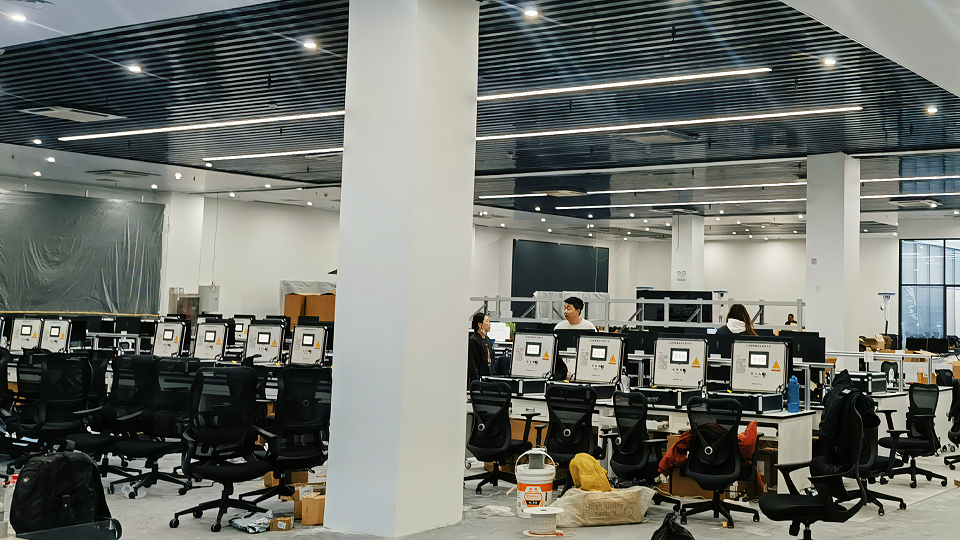
(4)Scalable Synchronized Hands-on PracticeEquipped with multiple comprehensive wireless transceiver units, supporting simultaneous hands-on experimentation by multiple students—meeting requirements for centralized classroom instruction and group-based training, thereby improving teaching efficiency.
(5)Professionalized Case SupportIncludes four specialized experimental case libraries covering core courses, directly interoperable with teaching and research scenarios—reducing instructors’ preparation workload and researchers’ experimental setup time, while enhancing the relevance of teaching and research.
II. System Configuration
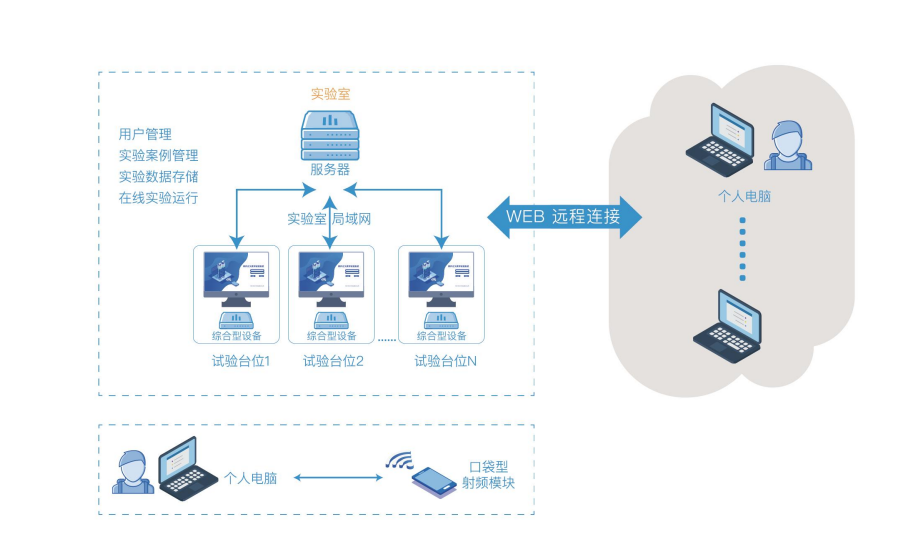
The laboratory features a complete, fully functional configuration built upon an integrated architecture of 'computational power support + hardware assurance + software adaptation + case-driven empowerment'. Specific configurations are as follows:
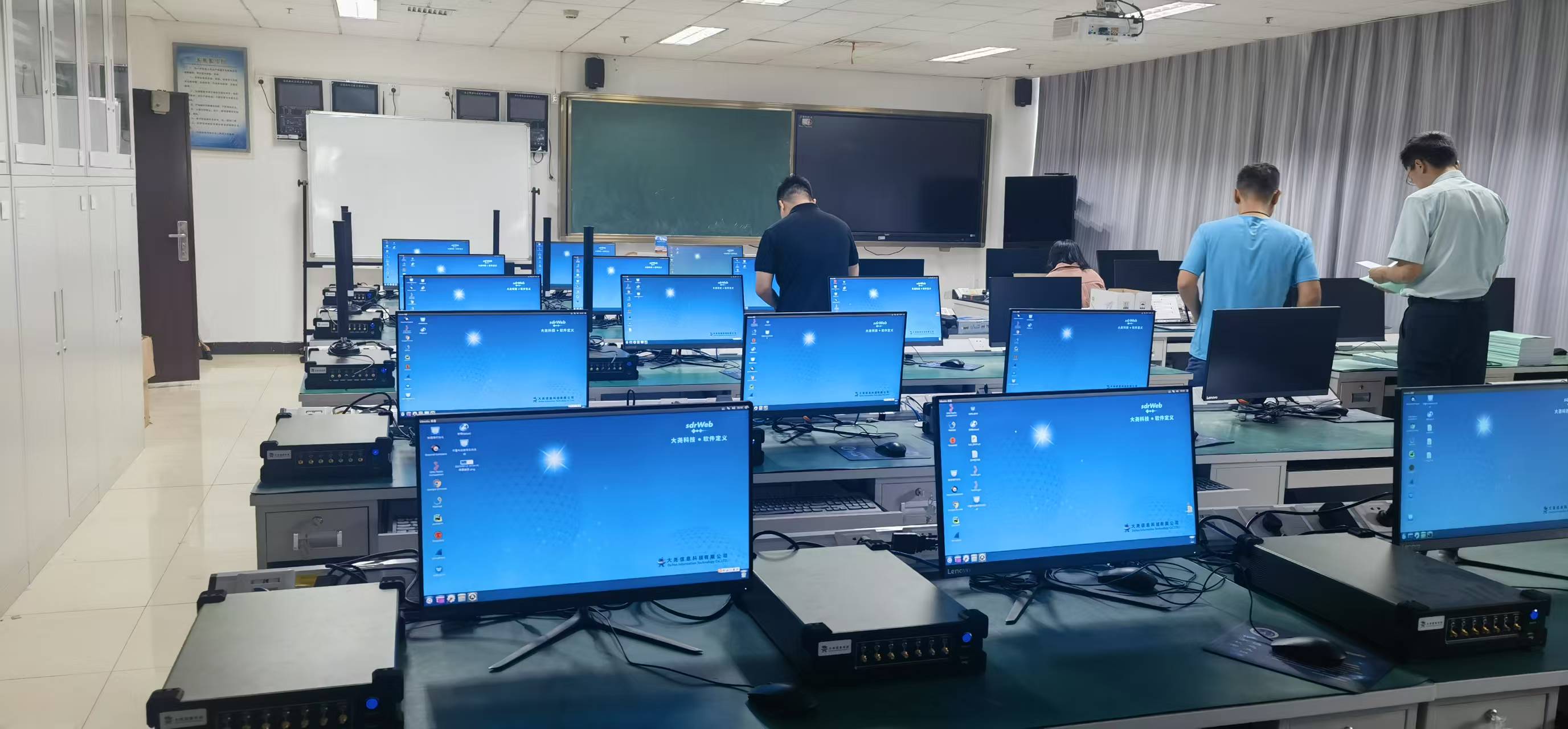
(1)Hands-on Equipment30 sets of comprehensive wireless transceivers, satisfying concurrent hands-on experimentation by multiple students and ensuring smooth execution of group labs and centralized instruction—enhancing students’ hands-on experience.
(2)Computational CoreOne set of Tianwen Teaching Signal Simulation Server and associated peripherals, delivering stable and efficient computational power to ensure seamless operation of simulation-based experiments and research trials.
(3)Core SoftwareOne set of reconfigurableTianwen Teaching Experiment Systemsoftware, supporting flexible adaptation and expansion of experimental scenarios to meet varying teaching emphases and research directions.
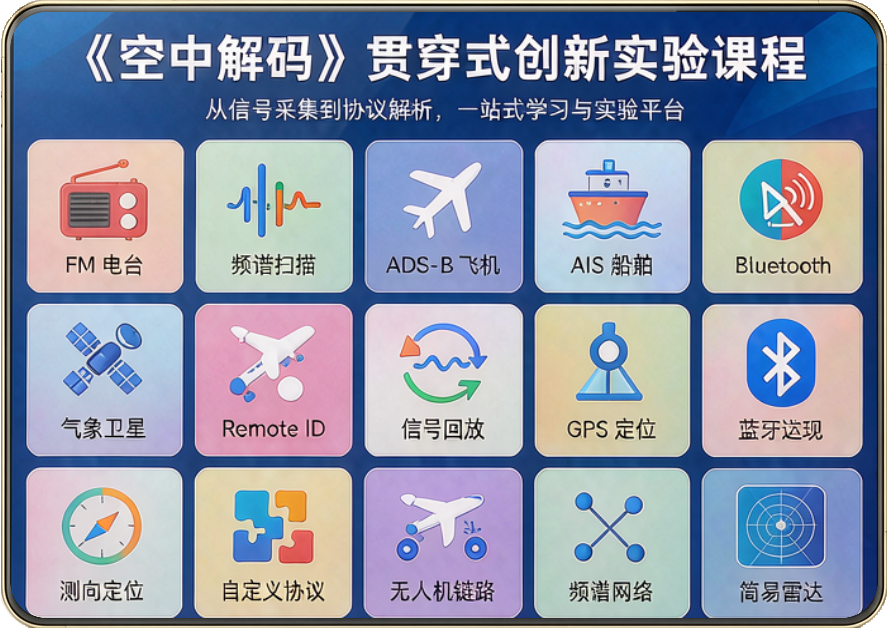
(4)Case ResourcesFour specialized Tianwen Teaching System experimental case libraries covering core wireless communication courses—directly interoperable with teaching and research scenarios to improve teaching and research efficiency.
III. Key Courses
The laboratory is precisely aligned with wireless communication-related disciplines and comprehensively supports hands-on instruction for multiple core undergraduate and graduate courses. Key supported courses include:
(1) Digital Signal ProcessingUsing laboratory equipment and software, students conduct foundational hands-on experiments—including signal acquisition, filtering, and Fourier transforms—to deepen understanding of core principles and strengthen signal analysis and processing capabilities.
(2) Principles of CommunicationSupports experiments in both analog and digital communications, covering core topics such as signal modulation/demodulation and channel coding—integrating theory with practice to deepen students’ understanding of communication systems.
(3)Software-Defined Radio (SDR)Leveraging the SDR architecture and wireless transceivers, students perform hands-on and verification experiments related to SDR—cultivating their ability to design and debug SDR systems.
(4)Communication Anti-JammingSupports anti-jamming communication experiments—including principle verification and performance testing—helping students master core anti-jamming technologies and meet both research and engineering requirements.
Additionally, the laboratory can further expand experimental scenarios and case resources based on individualized teaching and research needs of universities—continuously supporting curriculum reform and research innovation, and helping institutions build high-quality teaching and research platforms.