Original link: https://militaryembedded.com/ai/big-data/us-navy-embedding-ai-into-maritime-operations-centers-admiral-says
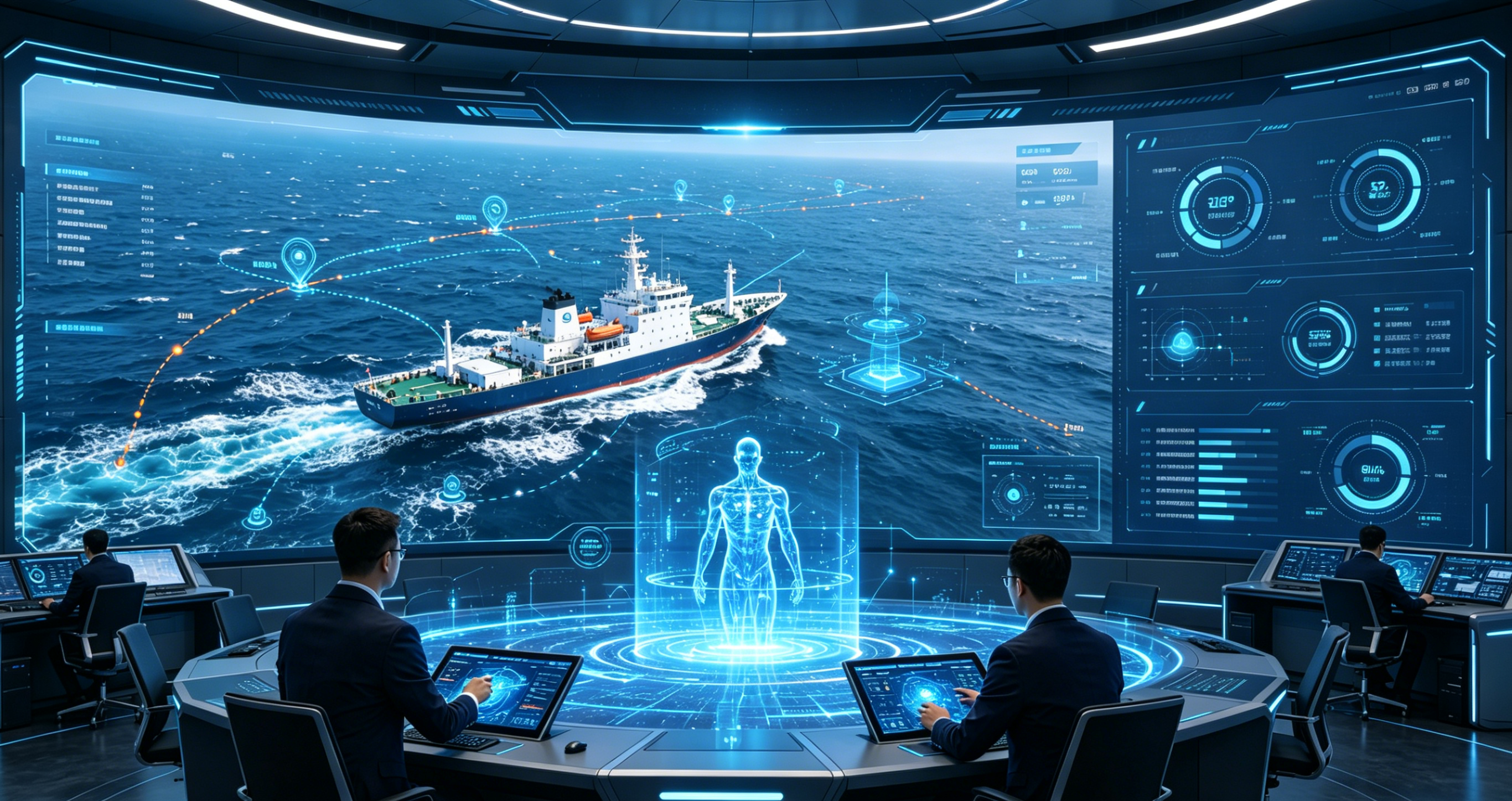
At the Sea-Air-Space exposition held in National Harbor, Maryland, senior U.S. Navy officials revealed that the Navy is advancing the integration of artificial intelligence (AI) into Maritime Operations Centers (MOCs), aiming to build a “robust human-machine team” capable of anticipating adversary actions and recommending courses of action to commanders nearly in real time.
Vice Adm. Mike Vernazza, Commander of the U.S. Navy Information Forces, stated during a panel discussion at the exposition that integrating AI into MOCs represents the Navy’s critical next step toward accelerating decision-making under modern operational tempo.
“By integrating AI into Maritime Operations Centers, we will build a robust human-machine team capable of anticipating adversary actions and recommending optimal courses of action for our joint forces,” Vernazza said. “This will significantly enhance commanders’ ability to make high-stakes strategic decisions under wartime tempo.”
MOCs serve as the U.S. Navy’s core operational command-and-control nodes, aggregating and processing multi-domain information across operational platforms. Vernazza noted that these centers are central components of the information warfare architecture supporting fleet operations—and are now operating as active combat platforms rather than passive coordination hubs.
Simultaneously Advancing AI Integration and Readiness Enhancement
While advancing AI-enabled decision support systems, the U.S. Navy is also concurrently addressing training and readiness gaps in the information warfare domain. Vernazza disclosed that the Navy Information Forces has assumed responsibility for foundational-level training in shipboard information warfare functions—including electronic warfare, communications, cryptology, cybersecurity, and intelligence—driving quantifiable improvements in overall readiness.
The Navy has also launched targeted initiatives to ensure ships can transition directly from maintenance cycles into operational training. Vernazza stated that this initiative has doubled mission completion rates for ships emerging from maintenance, and shortened training timelines for certain electronic warfare and communications qualifications by 13 weeks.
Launching a Specialized Master’s Program in Applied AI
Additionally, Vernazza announced at the event that the U.S. Navy Information Forces will partner with the Naval Postgraduate School to launch a Master’s program in Applied Artificial Intelligence beginning in June 2026. The program’s core objective is to ensure future Navy leaders wield AI as a practical, operational warfighting tool—not merely as an abstract theoretical concept.
(Compiled and translated from internet sources for reference only; views expressed herein do not represent the official position of this WeChat account.)